


Fork Terminals
What is Fork Terminals
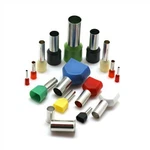
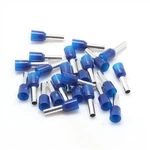
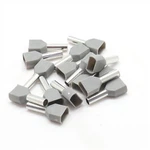
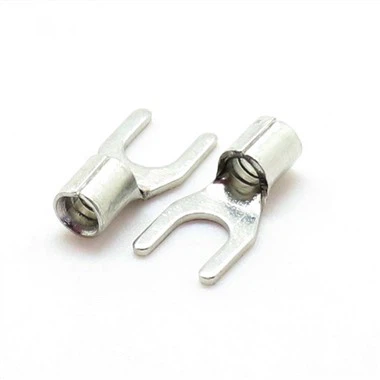
Fork Terminals refer to types of crimp connectors that are used to attach a wire or wires to a stud, bus bar, or another part of an electrical system. A fork terminal is commonly used to help prevent frayed wires and offer a high level of protection.
Benefits of Fork Terminals
Ease of Installation
One of the primary benefits of fork terminals is their ease of installation. Unlike ring terminals, which require the screw to be completely removed, fork terminals can be installed by loosening the screw just enough to slide the forked end under. This simplifies the installation process and saves time.
Secure Connections
Fork terminals provide secure connections that can withstand vibrations and movement. When the screw is tightened, it clamps down on the fork, ensuring a reliable electrical connection. This makes them ideal for applications where stability and durability are crucial.
Accessibility
The design of fork terminals makes them easily accessible for maintenance and adjustments. If a connection needs to be checked or re-secured, the fork terminal can be accessed without fully removing the screw, making it convenient for quick fixes and inspections.
Versatile Applications
Fork terminals are used in a wide range of applications, from automotive and marine to industrial and home electrical projects. Their versatility and ease of use make them suitable for various environments and conditions.



Why Choose us
Quality Assurance
Wenzhou baoteng always provide quality assurance to customers with strict standards and through multi-party quality system certification, such as ce, rohs, iso 9000.
Customer service
The company offers excellent customer service and support, making it easy for customers to resolve any issues they may have with the product.
Reputation
A company with a positive reputation is more likely to attract customers. Reputation is built through consistent quality service or products, good customer relations, and reliability.
How Do You Use Fork Terminals?
Properly using fork terminals is easier than you may think. Let's cover how to use crimp connectors such as fork terminals with a common bus bar. The first step is gathering the parts and tools you will need. We'll be using 14 gauge wire, fork terminals, a bus bar, a stripping tool, a crimping tool, and a heat tool. The first step is stripping the wires to the proper length. Pay careful attention not to damage the insulation or conductors when stripping. With your wires prepped, line up the terminal into the proper crimp nest. Make sure that your electrical connectors are the highest quality possible. The quality of the various electrical connector types will impact your electrical connections. You'll notice the colored dots on the crimping tool indicate the nest by gauge. Next, you'll insert your wire into the fork terminal body making sure that the insulation butts up to the inner barrel. Now simply complete one full ratchet cycle.
Once the crimp cycle is complete, you'll want to perform a tug test. Gently pull from both sides of the connection point to ensure that the connection is solid. With your terminals properly installed, it's time to activate the heat shrink with our heat tool. Epoxy-lined heat shrink should be used in marine environments to create an environmentally sealed connection. Now it's time to install our fork terminals on our busbar. Simply loosen the screws you intend to use. Now take your locking fork and press it into the screw. You will want to apply enough pressure to the fork terminal to allow it to firmly hug the screw body. With the fork terminal in place, you can tighten the screw. With a gentle tug, you can see just how durable this connection is. Notice that the fork terminal does not move.
Now we just need to repeat the process with the remaining terminals. And that's it. We have successfully installed our fork terminals on the busbar. Fork terminals are extremely useful in electrical connections. They are available in 22-18 gauge, 16-14 gauge, and 12-10 gauge sizes. They are also available in bare, nylon, vinyl, or heat shrink insulation. Fork terminals are an obvious choice. They offer durability, versatility, and longevity even in the toughest environments.
Best Uses for Fork Terminals
Automotive Applications
In automotive applications, the terminals are commonly used to connect wires to terminal blocks, relays, and fuse holders. Their secure connections ensure reliability even in the presence of vibrations and harsh conditions typical of automotive environments.
Marine Applications
The terminals are also widely used in marine applications, where they connect wiring for navigation lights, bilge pumps, and other electrical systems. Their corrosion-resistant materials, such as tinned copper, make them suitable for use in saltwater environments.
Industrial Equipment
In industrial settings, the terminals are used to connect wiring to control panels, machinery, and electrical enclosures. They provide stable connections that can handle high currents and resist the wear and tear of industrial environments.
Home Electrical Projects
For home electrical projects, fork terminals are used to connect wires to switches, outlets, and circuit breakers. Their ease of installation and secure connections make them a practical choice for DIY electrical tasks.
HVAC Systems
In HVAC systems, fork terminals connect wiring for thermostats, compressors, and fans. Their reliable connections ensure the efficient operation of heating and cooling systems.
Renewable Energy Systems
Fork terminals are used in renewable energy systems, such as solar panels and wind turbines, to connect wiring to inverters, charge controllers, and batteries. They ensure stable and efficient connections for optimal energy transfer.
Electrical Panels
In electrical panels, fork terminals connect wires to circuit breakers and grounding bars. Their secure connections help maintain the safety and efficiency of the electrical system.
Appliance Repair
Fork terminals are often used in appliance repair to connect wiring within appliances such as washing machines, dryers, and refrigerators. They provide a reliable solution for restoring the functionality of household appliances.
Things to Keep in Mind When Using Fork Terminals
Choosing the Right Size
Select the appropriate fork terminal size for your application. Ensure that the terminal matches the wire gauge and the screw or stud size. A proper fit ensures a secure connection and optimal electrical performance.
Using Quality Crimping Tools
Invest in a high-quality crimping tool to secure the terminal to the wire properly. A good crimp ensures a reliable connection and reduces the risk of loose or faulty connections.
Material Considerations
Choose fork terminals made from materials suitable for your application's environment. For example, use tinned copper terminals in marine environments for corrosion resistance, or opt for high-temperature-resistant materials in industrial settings.
Proper Insulation
Consider using insulated fork terminals for applications where electrical insulation is necessary. Insulated terminals provide protection against electrical shocks and prevent short circuits.
Avoiding Over-Tightening
Do not over-tighten the screw when securing the fork terminal. Over-tightening can damage the terminal and the wire, leading to poor connections and potential electrical failures.
Regular Inspections
Regularly inspect the connections for signs of wear, corrosion, or looseness. Replace any damaged or corroded terminals promptly to maintain the integrity of the electrical system.
Proper Storage
Store fork terminals in a dry, organized environment to prevent damage and corrosion. Keep different sizes and types separated for easy access during installation.
Labeling Connections
Label wires and terminals to ensure easy identification during installation and maintenance. Proper labeling prevents wiring mistakes and simplifies troubleshooting.
Understanding Load Requirements
Ensure that the fork terminals can handle the electrical load of your application. Using terminals with insufficient current ratings can lead to overheating and potential hazards.
Safety Precautions
Always follow safety precautions when working with electrical systems. Disconnect power sources before making connections, and use appropriate personal protective equipment (PPE) to prevent electrical shocks and injuries.
How to properly install Fork terminals
Step 1
Each wire should be stripped to the correct length based on the fork terminal you are using. Remember that the bare conductor should be fully inserted into the barrel of the fork terminal while the insulation is butted up to the body of the fork terminal. Take a look at the image to the right to see an example of properly stripped wires.
01
Step 2
Once the wires are prepared, insert them into the body of the fork terminal paying careful attention to the conductor and insulation length. With the wire in place use the proper crimp tool and complete one full ratchet cycle. Inspect the crimp to make sure that it is in the correct location and that the fork terminal was not damaged from improper tool usage. Repeat this action across all wires that will be attached to the bus bar.
02
Step 3
With all of the wires properly crimped, it is time to perform the tug test. This will ensure that the fork terminal has been seated properly and the crimp is solid. To perform a tug test, you will pinch the wire and terminal in separate hands and gently tug apart applying sufficient force to test the strength of the connection. You should feel zero movement or give indicating that the connection is in fact strong.
03
Step 4
Now it is time to activate the epoxy-lined heat shrink in order to fully enclose and protect the connection point. To ensure that the heat shrink is properly activated, use the correct heat tool and keep the heat tool far enough away as to not burn the insulation. Completed wires should be set to the side until the next step.
04
Step 5
With every wire now prepped, you are ready to start adding them to the bus bar. Orient the wires in the correct positions for your application. After each fork terminal is added to the bus bar, be sure to fully tighten the binding screw. With all wires in place, double-check each screw one last time. That's it. You have properly installed your fork terminals.
05
Comparing Ring and Fork Terminals

Installation and Removal
Ring terminals provide a more permanent connection, requiring the screw to be completely removed for installation. This ensures a very secure attachment, which is ideal for environments with significant vibration or movement.
Fork terminals, on the other hand, can be installed by loosening the screw just enough to slide the forked end under. This makes them easier and quicker to install and remove, ideal for applications requiring frequent maintenance or adjustments.
Security and Stability
Ring terminals offer superior security and stability due to their design. Once installed, they are less likely to come loose, making them suitable for high-vibration environments like automotive and marine applications.
Fork terminals provide good stability but are easier to detach compared to ring terminals. They are suitable for applications where ease of maintenance and quick adjustments are necessary, such as in control panels and home electrical projects.
Versatility
Both ring and fork terminals are versatile and used in various applications. However, ring terminals are often preferred in situations where a secure, long-term connection is crucial. Fork terminals are chosen for their ease of installation and accessibility, making them ideal for applications requiring frequent maintenance.
Our Factory
WENZHOU BAOTENG was established in 2013. After more than 10 years of development, it has become a comprehensive integration of industry and trade company, which engaged in design, development and production of various terminals and connectors professionally.
We have a complete research and development team, constantly developing more and more designs every year.
Quality is our culture, service is our standard, we have been holding this philosophy to provide customers with quality products. WENZHOU BAOTENG always provide quality assurance to customers with strict standards and through multi-party quality system certification, such as CE, ROHS, ISO 9000.
WENZHOU BAOTENG is engaged in the supply of electrical products with the quality of "Safe, Reliable, Suitable and Steady", observes the commitment of "Leader in science and technology, Honest operation, Quality and Customer first", provides highest quality and the most sincere services for the new and old, domestic and foreign customers.
