

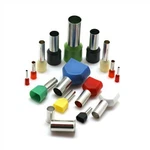
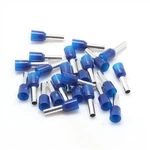
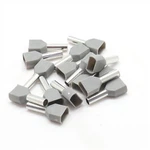
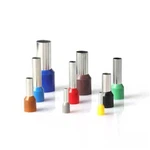
Ring Terminals
What is Ring Terminals
Ring terminals are connectors for electrical cables. They are designed to connect the end of an electrical cable to a circuit point. Airplanes have dozens of electrical components, all of which require power. To hardwire an electrical component, a ring terminal may be used. An electrical cable may plug directly into the back of an electrical component on one end and a circuit point on the other end. To connect the electrical cable to the circuit point, a ring terminal may be used.
Benefits of Ring Terminals
Fire resistance
The chief feature of ring terminal is fire resistance along with heat resistance. The main cause that affects the connections between various appliances is overheating. Generally, heat melts the connections and cause short circuits. Ring terminals are known to withstand intense temperature and work flawlessly.
High durability
Ring terminal can work at extremely low temperatures. The ring terminal can be used up to -240-degree Celsius and it works without any problem. Even when exposed to fire, it will gradually fuse out rather than defrost quickly and split.
Water resistance
Some electrical components and circuits are prone to short circuits. However, insulated ring terminals are known to repel both oils and water. On the insulated ring connector, an extra tubing is there which insulates it from the short circuits. Due to this property, these terminals are mainly used in the aerospace industry along with marine, meteorological, and naval units.
Chemical resistance
Most of the industries use components that are safe and provide full protection from the atmosphere. An insulated ring terminal is highly recommended by the scientific industry. The main reason is that it is highly chemical resistant. If installed properly, then it provides a seal resistant to water, salt, steam and other contaminants.


Why Choose us
Quality Assurance
Wenzhou baoteng always provide quality assurance to customers with strict standards and through multi-party quality system certification, such as ce, rohs, iso 9000.
Customer service
The company offers excellent customer service and support, making it easy for customers to resolve any issues they may have with the product.
Reputation
A company with a positive reputation is more likely to attract customers. Reputation is built through consistent quality service or products, good customer relations, and reliability.
Dos and Don'ts for Ring Terminals
Do Match the Wire Size: Always select a ring terminal that matches the wire gauge you are using. This ensures a secure fit and reliable electrical connection.
Do Use Quality Crimping Tools: Invest in a high-quality crimping tool to ensure a secure crimp. A proper crimp reduces the risk of loose connections.
Do Insulate Connections: Use insulated ring terminals for applications where electrical insulation is necessary. This provides protection against electrical shocks and short circuits.
Do Regular Inspections: Regularly inspect the connections for signs of wear, corrosion, or looseness. Replace any damaged terminals promptly to maintain the integrity of the electrical system.
Don't Over-Tighten: Avoid over-tightening the screw when securing the ring terminal. Over-tightening can damage the terminal and the wire, leading to poor connections.
Don't Ignore Material Compatibility: Ensure the terminal material is compatible with your application environment. For example, use stainless steel terminals in marine environments to prevent corrosion.
Don't Skip Labels: Always label wires and terminals to ensure easy identification during installation and maintenance. This prevents wiring mistakes and simplifies troubleshooting.
Comparing Ring Terminals and Fork Terminals
Installation and Removal
Ring terminals provide a more permanent connection, requiring the screw to be completely removed for installation. This ensures a very secure attachment, which is ideal for environments with significant vibration or movement.
Fork terminals, on the other hand, can be installed by loosening the screw just enough to slide the forked end under. This makes them easier and quicker to install and remove, ideal for applications requiring frequent maintenance or adjustments.
Security and Stability
Ring terminals offer superior security and stability due to their design. Once installed, they are less likely to come loose, making them suitable for high-vibration environments like automotive and marine applications.
Fork terminals provide good stability but are easier to detach compared to ring terminals. They are suitable for applications where ease of maintenance and quick adjustments are necessary, such as in control panels and home electrical projects.
Versatility
Both ring and fork terminals are versatile and used in various applications. However, ring terminals are often preferred in situations where a secure, long-term connection is crucial. Fork terminals are chosen for their ease of installation and accessibility, making them ideal for applications requiring frequent maintenance.
How to Choose Ring Terminals


Insulated vs Non-Insulated
There are insulated ring terminals, and there are non-insulated ring terminals. They both feature a sleeve-like opening on one end and a ring-shaped conducive stud on the other end. The difference is that insulated ring terminals have a layer of insulation — typically nylon, silicone or vinyl — over the sleeve.
Gauge Range
You should consider the supported gauge range when choosing ring terminals. Gauge refers to the thickness of a wire or cable. The thicker the wire or cable, the higher its gauge will be.
Most ring terminals are designed for wires within a specific gauge range. Some of them are designed for 16 to 22 gauge wire. Other ring terminals are designed for 10 to 12 gauge wire. Regardless, make sure you choose ring terminals in the right gauge range for the wires with which you intend to use them.
Installation Method
Not all ring terminals require the same installation method. To install a ring terminal, you'll have to connect a wire to the end with the sleeve-like opening. Depending on the specific type of ring terminal, you may have to crimp the wire, or you may have to solder the wire.
There are crimp-style ring connectors that require crimping to install. After placing the wire through the sleeve-like opening, you can use a crimping tool to secure it in place. Other ring connectors require soldering. Soldering involves the use of heated filler material. Using a soldering iron, you can melt the filler material — known as solder — over the wire and ring terminal.
Color-Coded
You may notice that some ring terminals are color-coded. They feature an insulation sleeve in a specific color. Common colors for ring terminals include yellow, blue and red. What do these colors mean exactly?
Ring terminal colors represent their size, which of course determines their supported gauge range. Yellow ring terminals are bigger than blue ring terminals, so they support thicker wire with a lower gauge than their blue counterparts.
How Ring Terminals Work
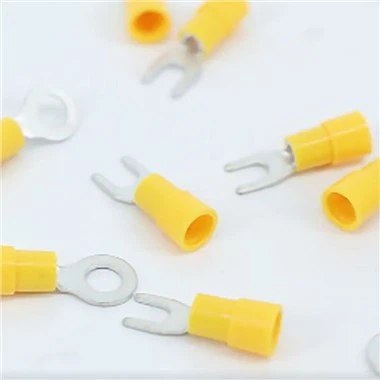
As shown in the photo above, ring terminals feature a simple design. They have a main body that's comprised of an inner tube of conductive metal and an outer layer of non-conductive shielding (such as plastic). On one side of the body is a ring prong made of a similar type of conductive metal as the inner tube.
How do ring terminals work exactly? All ring terminals are used in conjunction with an electrical cable. The exposed end of an electrical cable is inserted into the tube of a ring terminal, after which it's crimped or soldered. Crimping will essentially force the inner tube to collapse so that the electrical cable remains in place. Soldering, on the other hand, will join the electrical cable to the inner tube by using heat and a filler material.
Once the electrical cable has been crimped or soldered, the ring terminal is placed on the circuit point. Ring terminals are typically connected to circuit points with a screw. The screw is first removed from the ring point. The ring terminal is then positioned over the circuit point. Finally, the screw is inserted back into the circuit point while going through the center of the terminal's ring prong.
Differences Ring Terminals and Spade Terminals

Ring and spade terminals are essentially connectors. The main difference between them lies in their design. Ring terminals have a circular, ring-shaped end with a hole in the middle that supports a screw or bolt. The ring-shaped end offers a connection point while also preventing the electrical wire from accidentally pulling out of the equipment or system.
Spade terminals, in comparison, have a flat, fork-like end that supports a screw or bolt. The fork-like end offers a connection point as well.
Ring terminals offer better protection against loosening and disconnection. The end of a ring terminal is completely closed. Therefore, it shouldn't come off the equipment or system to which it's connected — even if vibrations are present. Vibrations, on the other hand, may cause spade terminals to loosen, as the end is open.
Common Uses for Ring Terminals
Automotive Applications
In automotive applications, ring terminals are used to connect wiring to battery terminals, starter motors, and other engine components. They provide a secure and reliable connection that can withstand the vibrations and environmental conditions found in vehicles.
Marine Applications
Ring terminals are widely used in marine environments to connect wiring for navigation lights, bilge pumps, and other electrical systems. Their secure connection ensures reliability even in harsh conditions, such as exposure to saltwater and extreme temperatures.
Industrial Equipment
In industrial settings, ring terminals connect wires to machinery, control panels, and electrical enclosures. They provide a stable connection that can handle high currents and resist the wear and tear of industrial environments.
Home Electrical Projects
For home electrical projects, ring terminals are used to connect wiring to circuit breakers, outlets, and switches. They offer a secure and easy-to-install solution for various household electrical tasks.
Renewable Energy Systems
In renewable energy systems, such as solar panels and wind turbines, ring terminals connect wires to inverters, charge controllers, and batteries. They ensure a stable and efficient connection for optimal energy transfer.
HVAC Systems
Ring terminals are used in HVAC systems to connect wiring for thermostats, compressors, and fans. They provide a secure connection that ensures the reliable operation of heating and cooling systems.
Electrical Panels
In electrical panels, ring terminals connect wires to circuit breakers and grounding bars. Their secure connection helps maintain the safety and efficiency of the electrical system.
Appliance Repair
Ring terminals are often used in appliance repair to connect wiring within appliances such as washing machines, dryers, and refrigerators. They provide a reliable and easy-to-install solution for restoring the functionality of household appliances.
Telecommunications
In telecommunications, ring terminals connect wires in network equipment, servers, and communication devices. They ensure a stable connection that is critical for maintaining reliable communication networks.
Aerospace Applications
In aerospace applications, ring terminals are used to connect wiring in aircraft and spacecraft. Their secure connection is essential for the reliable operation of critical systems in extreme conditions.
10 Tips for Using Ring Terminals Effectively
Choose the Right Size - Ensure that the ring terminal matches the wire gauge and stud size you are using. A properly sized terminal provides a secure and reliable connection.
Use Quality Crimping Tools - Invest in a high-quality crimping tool to ensure a secure crimp. A proper crimp ensures the terminal is firmly attached to the wire, reducing the risk of loose connections.
Match the Material - Select ring terminals made from materials compatible with your application's environment. For example, use stainless steel terminals in marine environments for corrosion resistance.
Insulate Connections - Choose insulated ring terminals for applications where electrical insulation is necessary. This protects against electrical shocks and short circuits.
Avoid Over-Crimping - Do not over-crimp the terminal, as this can damage the wire and terminal. Follow the manufacturer's guidelines for the correct crimping pressure.
Check for Secure Connections - After crimping, tug gently on the wire to ensure it is securely attached to the terminal. A secure connection prevents the wire from pulling out under stress.
Use Heat Shrink Tubing - For added protection, use heat shrink tubing over the crimped connection. This provides additional insulation and protection against environmental factors.
Label Your Connections - Label the wires and terminals to ensure easy identification during installation and maintenance. This helps prevent wiring mistakes and simplifies troubleshooting.
Regularly Inspect Connections - Regularly inspect the connections for signs of wear, corrosion, or looseness. Replace any damaged terminals promptly to maintain the integrity of the electrical system.
Store Terminals Properly - Store the terminals in a dry, organized environment to prevent damage and corrosion. Keep different sizes and types separated for easy access.
Our Factory
WENZHOU BAOTENG was established in 2013. After more than 10 years of development, it has become a comprehensive integration of industry and trade company, which engaged in design, development and production of various terminals and connectors professionally.
We have a complete research and development team, constantly developing more and more designs every year.
Quality is our culture, service is our standard, we have been holding this philosophy to provide customers with quality products. WENZHOU BAOTENG always provide quality assurance to customers with strict standards and through multi-party quality system certification, such as CE, ROHS, ISO 9000.
WENZHOU BAOTENG is engaged in the supply of electrical products with the quality of "Safe, Reliable, Suitable and Steady", observes the commitment of "Leader in science and technology, Honest operation, Quality and Customer first", provides highest quality and the most sincere services for the new and old, domestic and foreign customers.
